-
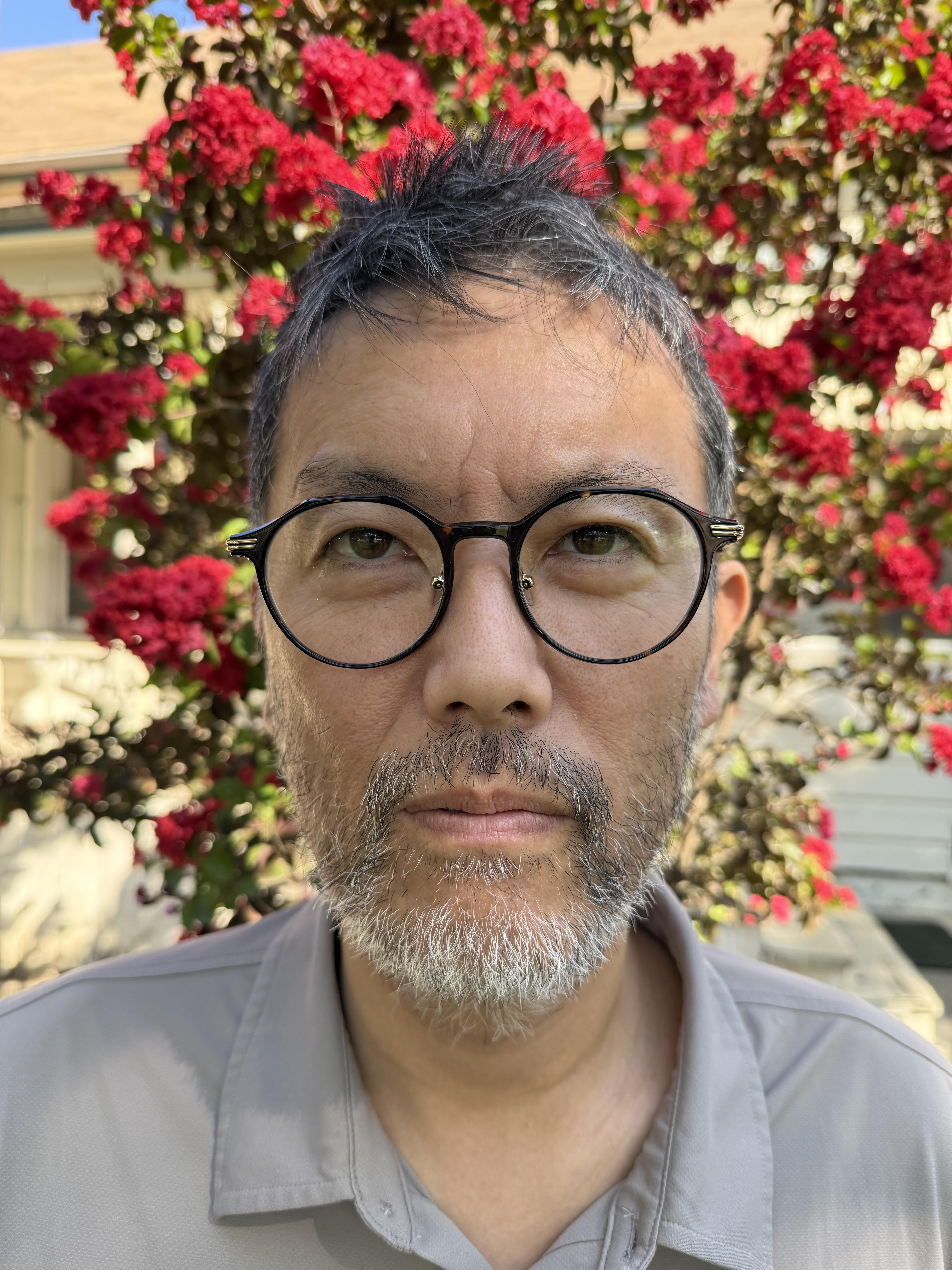
Taiyo Inoue
Taiyo Inoue is the co-host of My Robot Teacher, a podcast on the intersection of higher education and AI. He's also a professor in the Department of Mathematics at Cal Poly Maritime, having obtained his PhD from UC Berkeley specializing in low-dimensional topology and hyperbolic geometry. He is passionate about teaching, math, AI, data science, philosophy, weird music, and obscure games (he was the 2014 Puzzle Strike World Champion which is probably impressive to approximately 17 people in the world). -
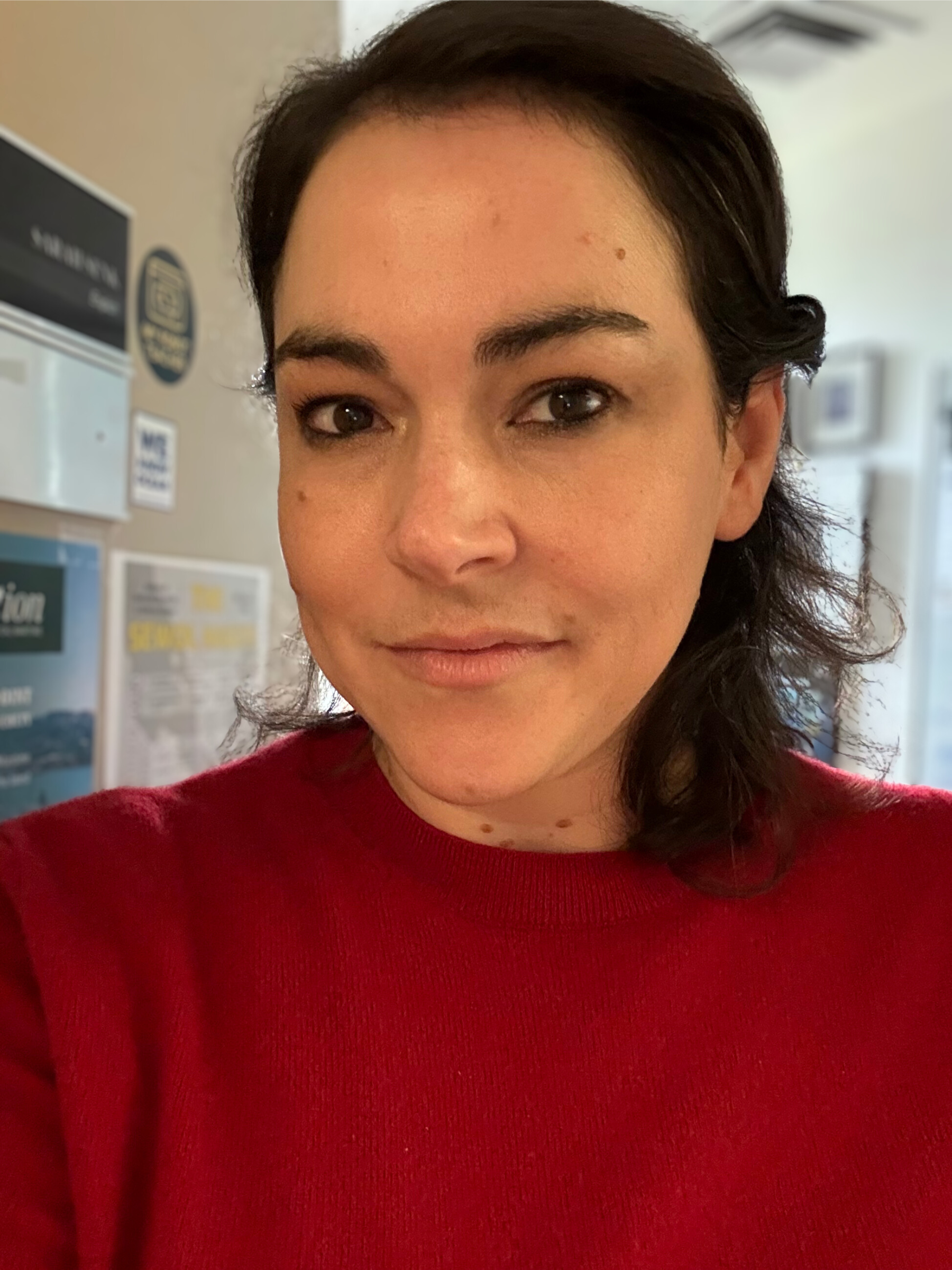
Sarah Senk
Sarah Senk is co-host of My Robot Teacher, a podcast about AI and higher education that features conversations with researchers, educators, and industry experts on how AI is impacting teaching and learning. She is also a Professor of English at Cal Poly Maritime Academy, where she teaches courses in written and oral communication, critical thinking, modern and contemporary literature, and cultural memory studies. Senk completed a PhD in Comparative Literature at Cornell University. While there, she trained and taught at the Knight Institute for Writing in the Disciplines, where she first developed a passion for teaching writing as a process and became interested in the potential for technology to transform teaching and learning practices.
Featured Speakers
Emcees
Panelists & Moderators
-
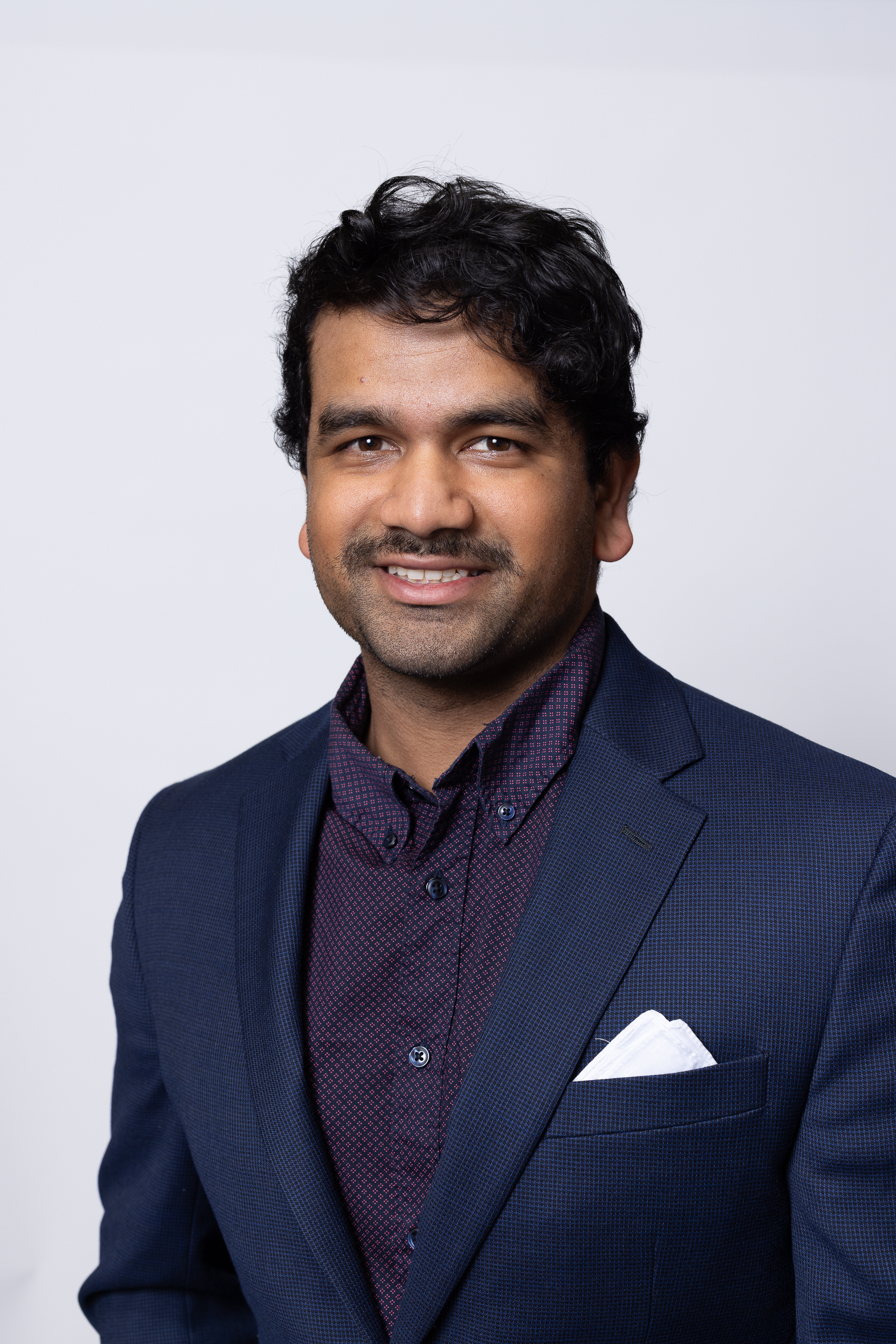
Vib Altekar
Vib Altekar is Co-Founder and Chief Technology Officer of Saronic Technologies. Vib is a highly accomplished perception engineer, with expertise in the field of autonomous systems and maritime technology. He has spent a large part of his career in industry driving advancements in U.S. Department of Defense technology. As one of the earliest engineers at Anduril, he led engineering efforts across multiple programs including the Royal Australian Navy's Ghost Shark drone submarine. His other career highlights include software engineering at Twitter, Juicero, and 8VC.
In addition to software, Vib provides meaningful thought leadership at Saronic, and invaluable strategic vision for its technological advancements. Outside of Saronic, he seeks opportunities to give back to the entrepreneur community, often through angel investing, advisorship, or teaching classes. Vib studied electrical engineering at the University of California, Davis
-
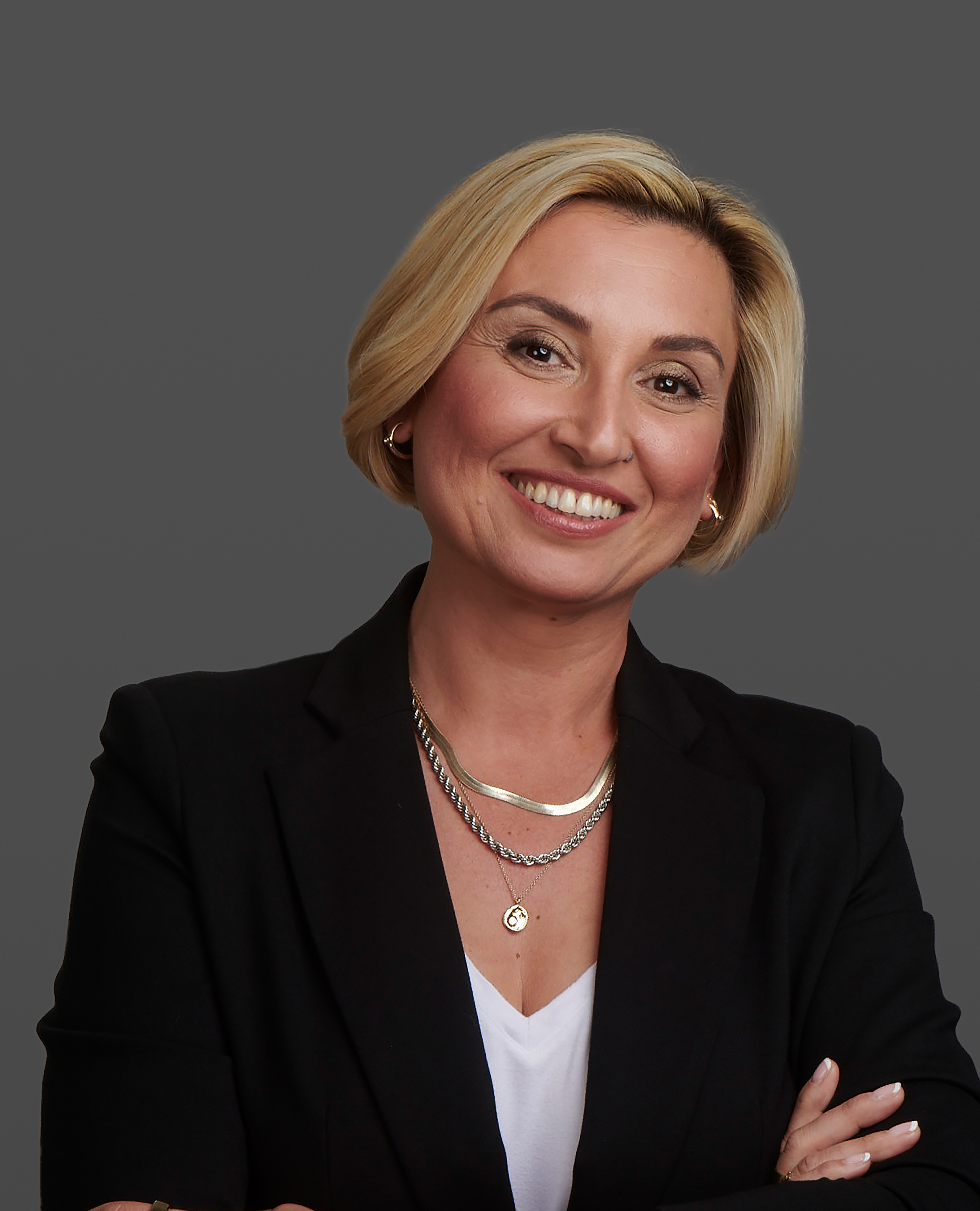
Ilkay Altintas
İlkay Altıntaş (SDSC, UC San Diego) is a research scientist at the University of California San Diego, the Chief Data Science Officer of the San Diego Supercomputer Center, and a Founding Fellow of the Halıcıoğlu Data Science Institute within the School of Computing, Information, and Data Science. Specializing in scientific workflows, scalable computing and data systems, her research enables collaborative teams to deliver impactful results and sustainable solutions by making computational data science and AI more reusable, programmable, scalable, accessible, and reproducible.
She is the Founding Director of the Societal Computing and Innovation Lab, which focuses on novel approaches to creating breakthrough technological innovations that address complex scientific and societal challenges. Her work has been applied to many domains including bioinformatics, geoinformatics, high-energy physics, material science, multi-scale biomedical science, smart cities, and smart manufacturing. She is also the Founder of the WIFIRE Program for wildland fire innovations and the Principal Investigator of the NSF National Data Platform, the Wildfire Science and Technology Commons, and other diverse grants that advance scalable computing, AI, and data systems across the digital continuum from edge to HPC.
Her honors include the 2015 IEEE TCSC Award for Excellence in Scalable Computing for Early Career Researchers and the 2017 ACM SIGHPC Emerging Woman Leader in Technical Computing Award. She serves on the elected Board of Governors for the IEEE Computer Society and was appointed by California Governor Gavin Newsom to the Wildfire Technology Research and Development Review Advisory Board. Ilkay received her Ph.D. from the University of Amsterdam.
-
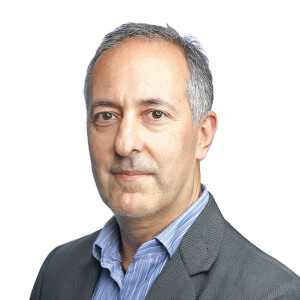
Dr. Ali Arsanjani
Dr. Ali Arsanjani is the Director of Applied AI Engineering at Google Cloud, and Head of GenAI Blackbelts leading the AI Center of Excellence, within the Google Cloud AI Product Engineering organization. GenAI Blackbelts are a combination of forward-deployed engineers, researchers and solution architects working with strategic Google AI customers/partners to bridge the delta between emerging customer needs and current product capabilities.
Dr. Arsanjani leads strategic co-engineering programs that focus on adoption of Google AI for customers & partners through realizing cutting edge thought leadership, engagement, enablement and execution. Google’s earliest adopters of GenAI have partnered closely with Dr. Arsanjani and his team on their use cases and adoption. He leads Generative and Agentic AI initiatives that enable customers and partners with the best-practices and tools that bring the capabilities of the Google Cloud AI platform to solve tactical and strategic challenges through best-practices and assets and achieving strong partnerships through strategic product co-innovation.
Dr. Arsanjani is Senior Lecturer at San Jose State University and the University of California, San Diego, where he teaches and advises students in the Masters in Data Science program and the Data Science Institute. You can find his blogs on medium. -

Dr. Tricia Bertram Gallant
An internationally recognized expert in academic integrity and ethics in higher education. As the Director of the Academic Integrity Office & Triton Testing Center at the University of California, San Diego, she leads innovative efforts to cultivate integrity-centered learning environments and assessment practices. With a career spanning nearly two decades, Dr. Bertram Gallant has advised universities, policymakers, and global organizations on fostering cultures of honesty and accountability in the face of emerging challenges—most recently, the integration of Generative AI in education.
A prolific author, Tricia’s books, including The Opposite of Cheating: Teaching for Integrity in the Age of AI (2025), have shaped institutional approaches to academic integrity worldwide. Her scholarship blends research with practical strategies, making her a sought-after speaker, consultant, and media commentator on issues of cheating, AI, ethics, and assessment security. Beyond academia, Tricia’s work has influenced national and international policies on academic integrity, including collaborations with the Council of Europe, UNESCO, and the International Center for Academic Integrity (of which she is President Emeritus). She has delivered keynote addresses and workshops across the world, engaging faculty, administrators, and students in reimagining integrity for the 21st century.
Known for her engaging, research-driven, and solution-oriented approach, Dr. Bertram Gallant doesn’t just diagnose problems—she helps institutions and educators implement real, sustainable change. Whether as a keynote speaker, panelist, or podcast guest, she brings insight, clarity, and a touch of humor to complex conversations about academic integrity, learning, and AI’s role in education.
-

Giselle Cortez-Tlaxcuapan
Giselle Cortez-Tlaxcuapan is an undergraduate student at California State University, Fullerton, where she studies mathematics and does research with a strong focus on accessibility and representation. She is actively involved in undergraduate research through UROC and is working on a project that examines potential biases in artificial intelligence systems. Giselle has also served as a tutor and counselor with the Upward Bound Math and Science program, supporting first-generation and underrepresented students in STEM. Her academic interests bridge mathematics and creating more inclusive academic spaces. -
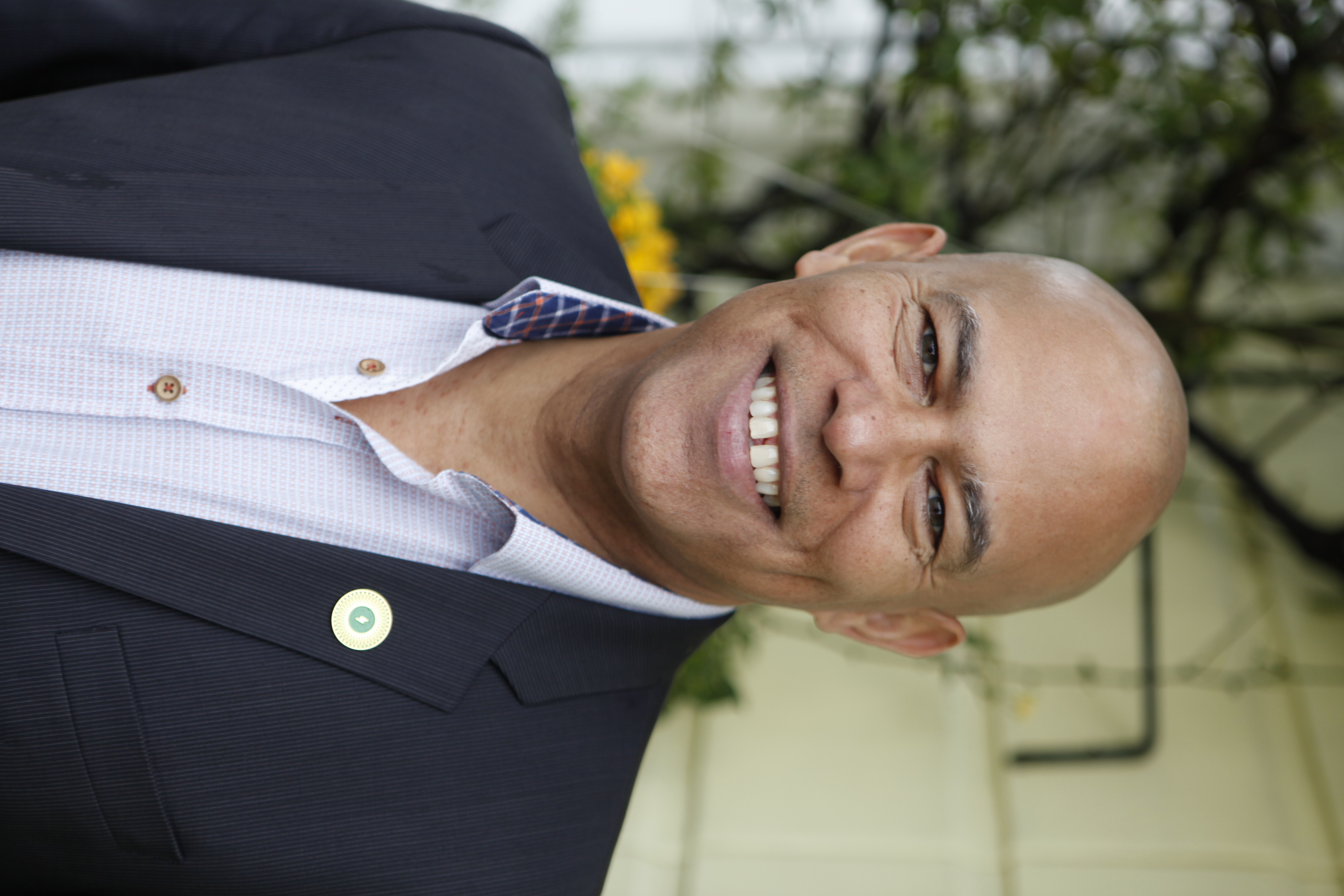
Don Daves-Rougeaux
Don Daves-Rougeaux is the Senior Advisor to the California Community College Chancellor on Workforce Development, Strategic Partnerships, and Generative AI, where he aligns workforce initiatives with Vision 2030, leads strategic AI partnerships across the system's 116 colleges, and serves on the Chancellor's Office AI Council.
With over 30 years in education, Don has held significant leadership roles including Associate Director of Admissions at UC Office of the President, VP for Higher Education and Employer Engagement at the Linked Learning Alliance, National Executive Director for AP & SAT Policy at the College Board, and Regional K14 Technical Assistance Provider for the Bay Area Community College Consortium, where he led equity-driven workforce initiatives and managed $28 million in CTE funding.
In the philanthropic sector, Don served as President of the Fund For Santa Barbara and a member of the Santa Barbara Foundation Roundtable. He currently serves as an Ambassador for Battery Powered, which distributes $4.5 million annually to social justice nonprofits.
Don earned his BA in History with an emphasis on Ethnic Studies and Geopolitics and a single subject teaching credential from Fresno State, as well as an MS in Higher Education Leadership and Administration from Capella University. He is passionate about building collaborative solutions that advance equity-centered digital innovation and workforce development across California's community college system.
-
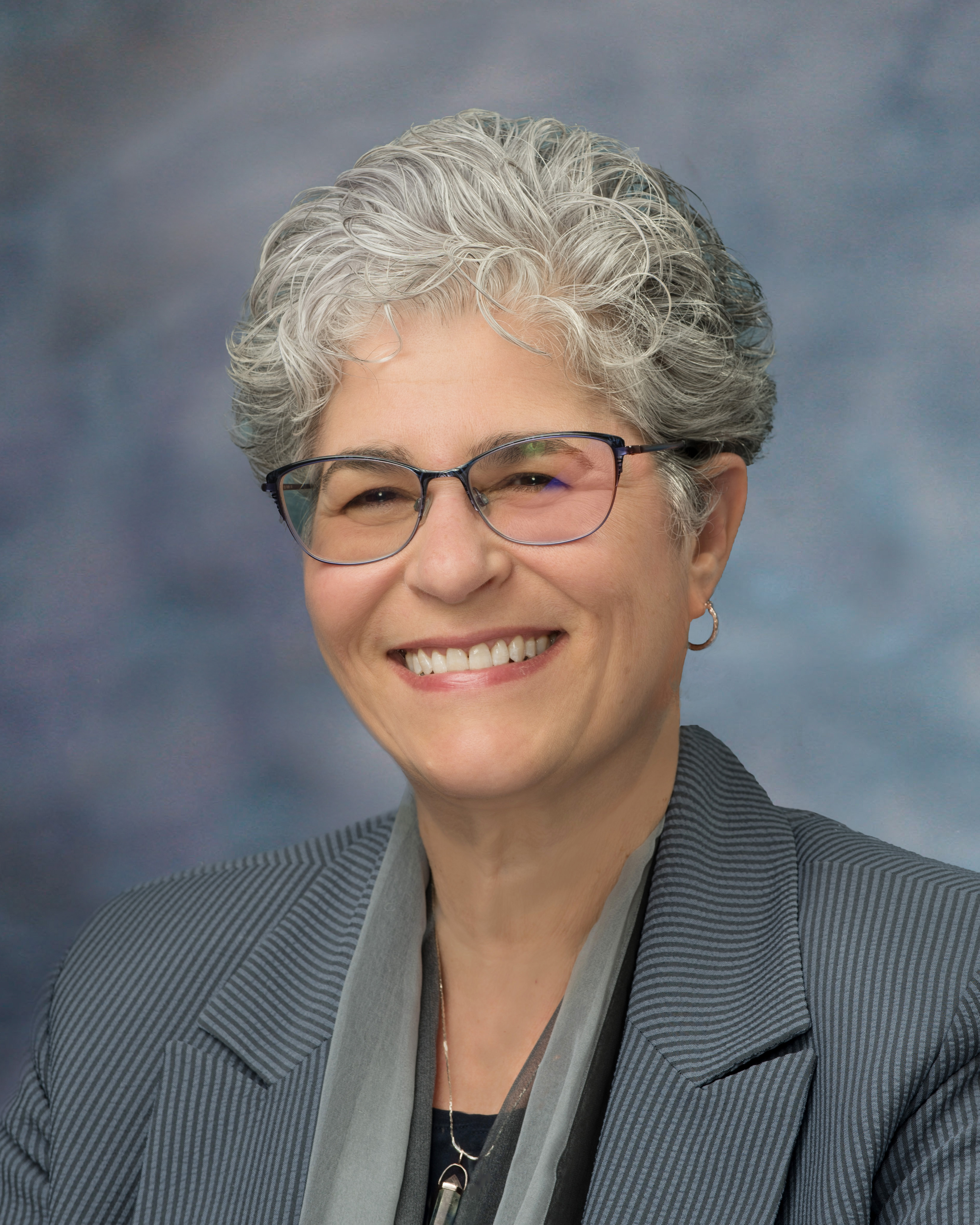
Dr. Michelle Fischthal
Michelle Fischthal is Vice Chancellor for Institutional Innovation and Effectiveness at the San Diego Community College District, leading districtwide strategy, data, and emerging technology initiatives across multiple colleges. Her work centers on the human and organizational infrastructure for responsible AI integration, including faculty collaboration, AI literacy, and governance practices that support equity and student success. -
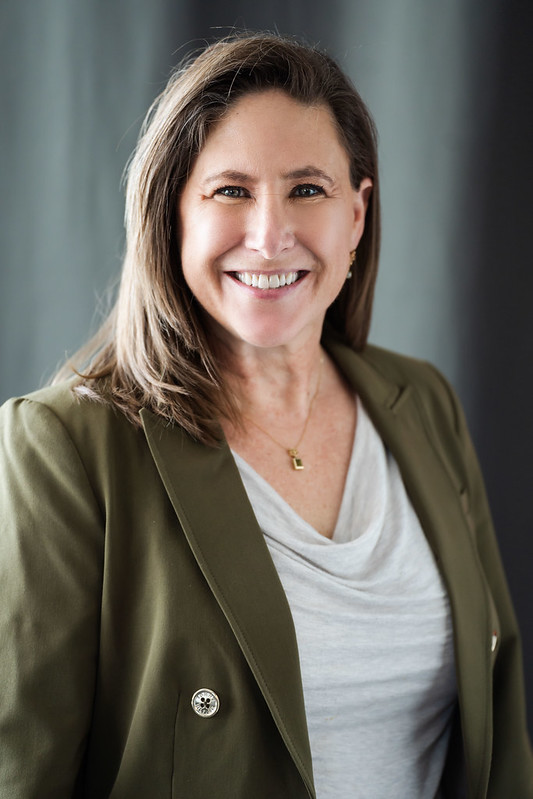
Dr. Alison Gurganus
Dr. Alison Gurganus is an Innovation and Emerging Technology Faculty Specialist for the San Diego Community College District and Online Services Librarian at San Diego Mesa College. She also serves as Special Advisor on AI and Information Literacy for the California Community Colleges Chancellor’s Office through the Digital Center, where she helps shape systemwide approaches to ethical, learner-centered use of AI.
As President of the Council of Chief Librarians, Alison represents all 116 California Community College libraries, leading statewide conversations on AI literacy, ethics, and information access. She is a member of the California Community College Chancellor’s Office AI Council, contributing to Vision 2030 efforts around “Generative AI and the Future of Teaching and Learning.”
With a background in educational technology and nearly three decades of experience teaching information literacy, Alison’s work sits at the intersection of ethics, equity, and emerging technology. She designs professional learning for faculty, classified professionals, and academic leaders focused on responsible AI adoption, privacy, academic integrity, and the evolving role of libraries and educators in an AI-saturated information landscape.
In her current work, Alison focuses on helping educators, staff, and institutional leaders engage with AI in ways that reflect their values and responsibilities. She designs practical frameworks and learning experiences that address privacy, academic integrity, bias, and equity, while centering student well-being and human judgment.
-
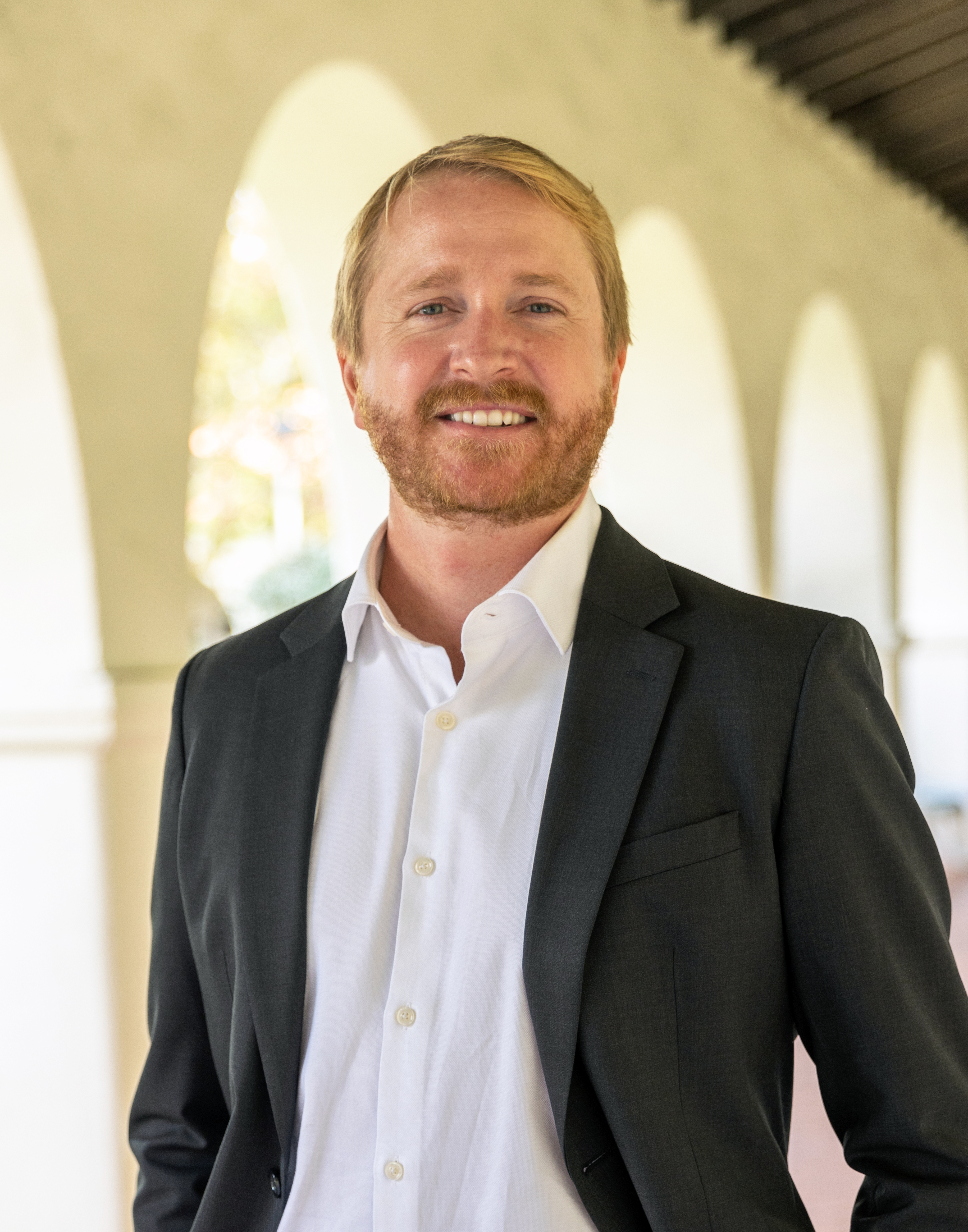
Dr. Sean Hauze
Dr. Sean Hauze serves as Chief Operating Officer for the IT Division at San Diego State University, where he oversees the strategic alignment of operations, resources, and execution across a dynamic technology landscape, with a focus on operational maturity that enables sustainable growth, effective service delivery, and innovation at scale. He directs IT Finance, HR, and Strategic Operations, managing budget planning, organizational design, and resource allocation to promote financial stewardship and institutional agility. As leader of the Project & Portfolio Management Office, he ensures that high-priority initiatives are strategically aligned, efficiently executed, and measured for outcomes.
His leadership spans data governance, service-level accountability, and performance management, leveraging dashboards, reporting tools, and continuous improvement frameworks to enable transparency and evidence-based decision-making. Through organizational change management and strategic initiative planning, Dr. Hauze drives the development of resilient systems and scalable services that meet the evolving needs of the university.
Sean also teaches doctoral-level research methods and evaluation for the Department of Educational Leadership at San Diego State University and advises doctoral candidates in the Claremont Graduate University/San Diego State University Joint Doctoral Program in Education. Previously, Sean was Technology Director for The Grauer School in Encinitas, California, and 3D Data Specialist for Google.
-
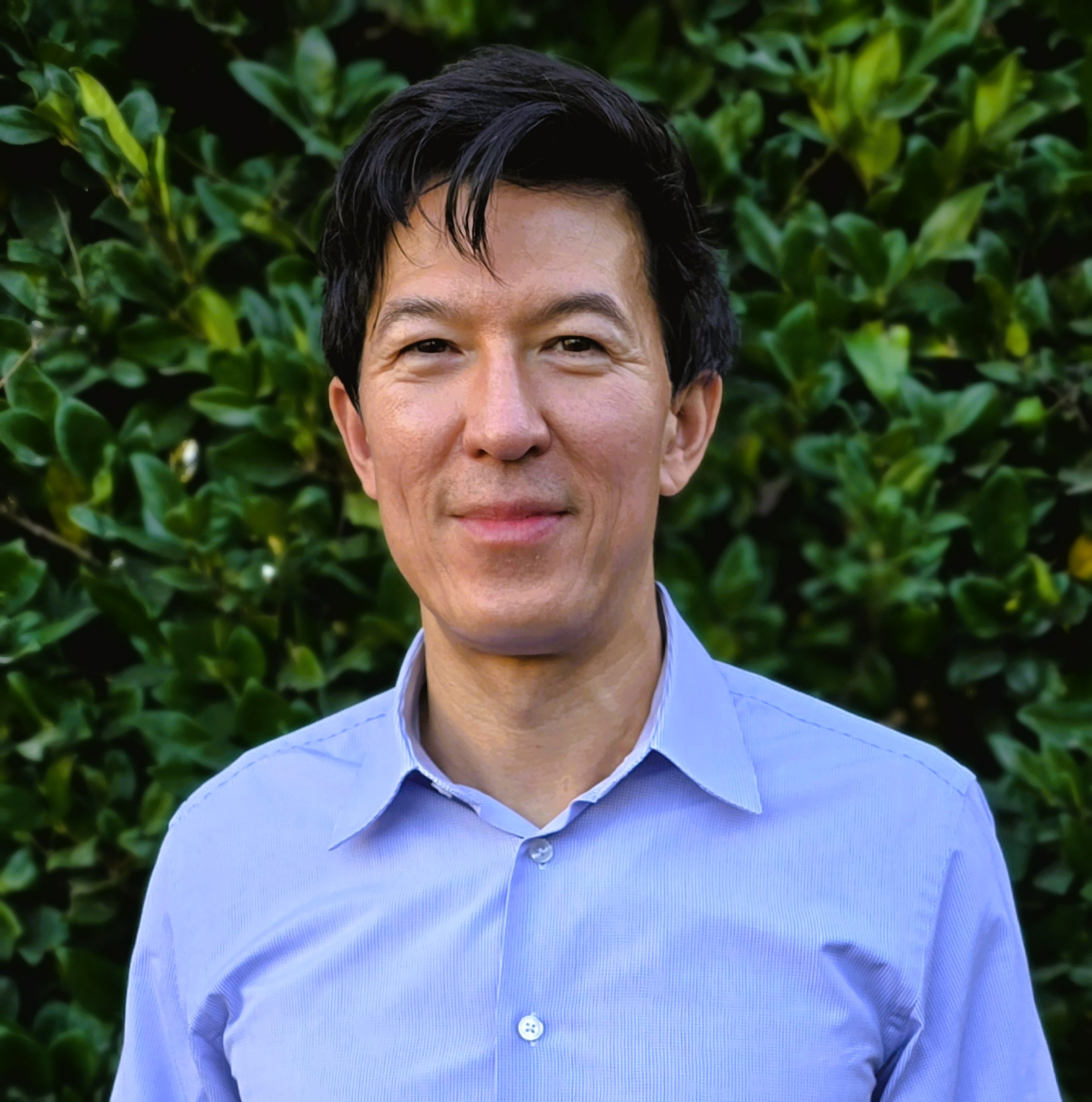
Alvin Henry, PhD
Alvin Henry, PhD is the founding chair of the Department of Asian American Studies at San Diego State University, where he has grown the program from 20 students in 2022 to over 1,200 students per semester. He is the principal investigator on an $850,000 Mellon Foundation grant to build Asian American Studies, through which his team has collected over 200 oral histories this semester alone, training students to use AI for interview preparation and original audio production.
Henry has partnered with AWS and the CalPoly DxHub to host the first AI Hackathon at SDSU and participated in the inaugural CSU AI Summer Camp. As Faculty Fellow for Student Career Readiness at SDSU, he has built five new courses that prepare students to become career ready, including an applied course for humanities and social science students to partner with local small businesses to analyze and redevelop social media campaigns.
In his scholarly work, Professor Henry is pioneering computational close reading methods for literature and film analyses with LLMs and VLMs. He has fine-tuned open-weight models including GPT-OSS-120B, Qwen2.5-72B, and Llama 3.1 70B on SDSU's TIDE high-performance computing infrastructure. He is also a collaborator on the ACORN (AI-Ready Curriculum Overhaul and Redesign) toolkit. His other projects include building LLM-powered assessment tools for writing feedback and researching student cultures around AI usage and access. He is actively seeking tech industry partners to co-develop applied AI projects that prepare humanities and social science students for the future of work.
-

Dr. Ryan Jenkins
Dr. Ryan Jenkins is a full professor and associate chair of philosophy and the Associate Director of the Ethics + Emerging Sciences Group at California Polytechnic State University in San Luis Obispo. He studies the ethics of emerging technologies, especially artificial intelligence and robotics. His work has appeared in journals such as Ethical Theory and Moral Practice and the Journal of Military Ethics, as well as public fora including the Washington Post, Slate and Forbes. For more than a decade, he has also helped early- and growth-stage teams turn values into product requirements using Value Sensitive Design (VSD). Ryan partners with founders, PMs, and engineers to identify privacy, equity, and secondary-use/misuse risks early; translate them into clear acceptance criteria; and ship features that scale responsibly. -
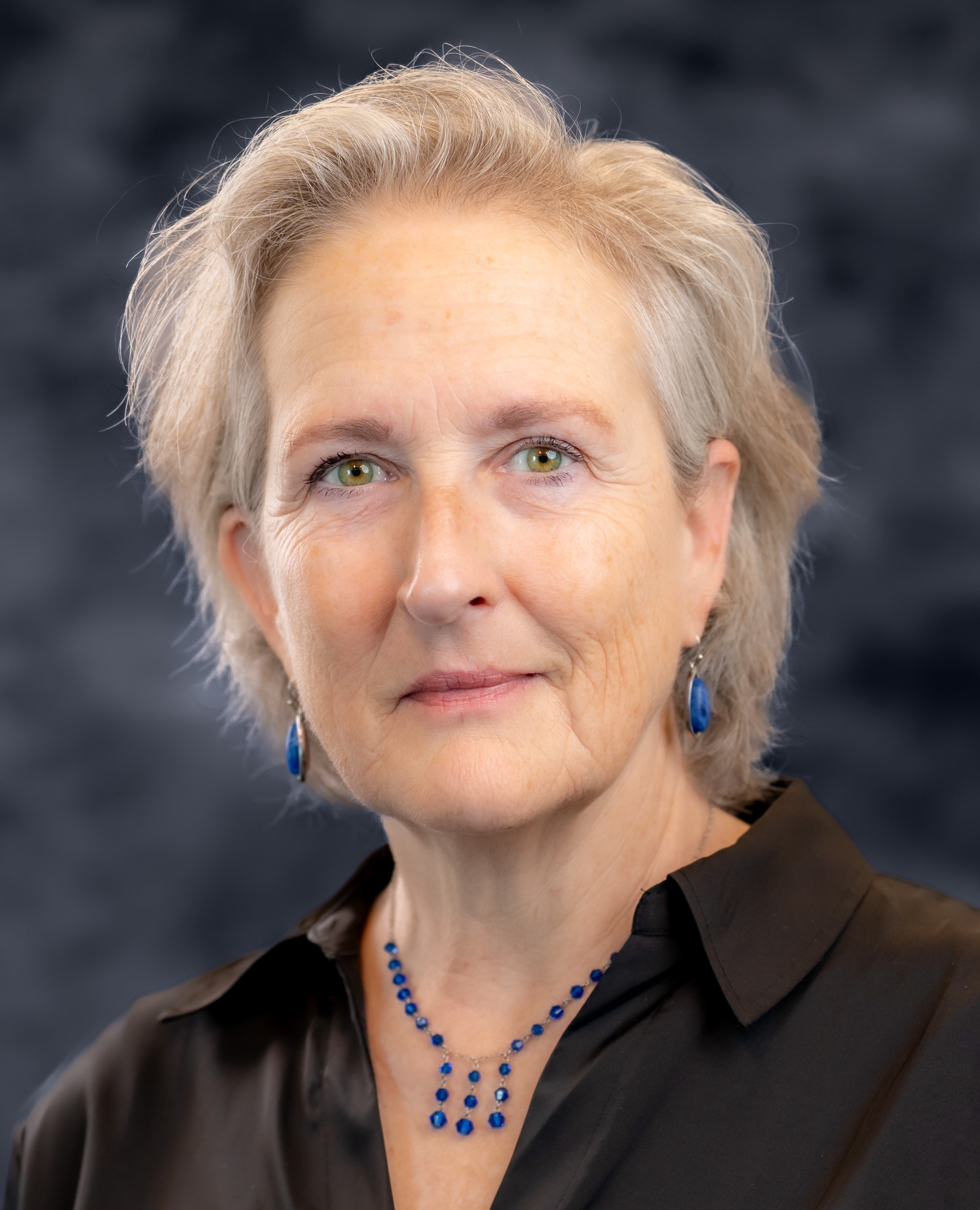
Emily Daniell Magruder, PhD
Emily Daniell Magruder, PhD, is Director of Innovative Teaching and Future Faculty Development in the California State University (CSU) Office of the Chancellor. In this role, she develops programming to support systemwide student success efforts and partners with faculty and educational developers across the CSU’s 22 universities to promote effective, innovative instruction. She also oversees the California Pre-Doctoral Program and the Chancellor’s Doctoral Incentive Program, which create pathways into doctoral study for students aspiring to academic careers balancing student-centered teaching and research.
As a member of the CSU’s Systemwide Generative AI Advisory Committee, Dr. Magruder helps guide the CSU’s evolving AI strategy, working with cross-role representatives to expand understanding of artificial intelligence, support ethical and thoughtful integration of AI into teaching, and build the professional learning needed to redesign courses and curricula for an AI-informed future. Along with Dr. Leslie Kennedy, she leads the CSU Artificial Intelligence Educational Innovations Challenge, which has funded 63 faculty-led projects to define discipline-specific AI literacies and develop strategies for helping students learn with AI while deepening cognitive development.
She has worked with the Learning Lab in multiple capacities, serving as co-PI on two grants expanding communities of practice for STEM faculty to deepen students’ disciplinary literacy and contributing to plans for a statewide Teaching and Learning Collaborative. Before joining the Chancellor’s Office, she taught humanities at CSU Dominguez Hills and helped establish its Faculty Development Center. Dr. Magruder earned her PhD in English from UCLA and her bachelor’s degree from Princeton University.
Link for the CSU's AIEIC: https://genai.calstate.edu/communities/faculty/csu-artificial-intelligence-educational-innovations-challenge-awards
-
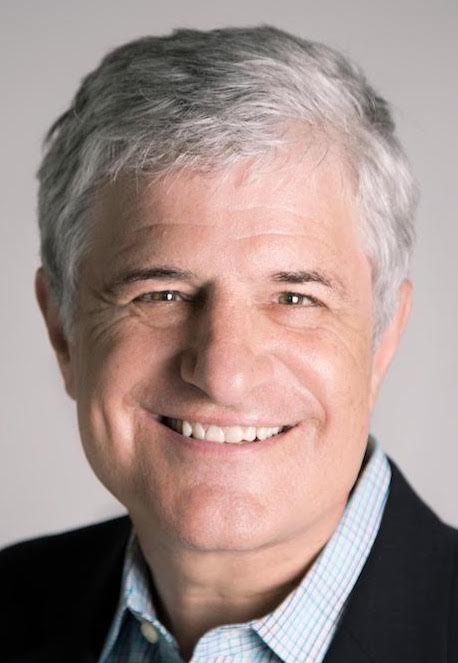
Dr. Dave Meader
Dr. Dave Meader is a Clinical Scholar in the MIS Department of the Fowler College of Business at San Diego State University. Prior to joining San Diego State, he taught at several universities near San Francisco including University of California - Berkeley, while consulting for numerous Silicon Valley tech start-ups . Prior to that he was a full time faculty member at the University of Arizona Eller College of Management. Dave received his Ph.D. in Computer Information Systems, MA in Psychology, and B.S. in Computer Science at the University of Michigan, and his MBA from the University of North Carolina.
-
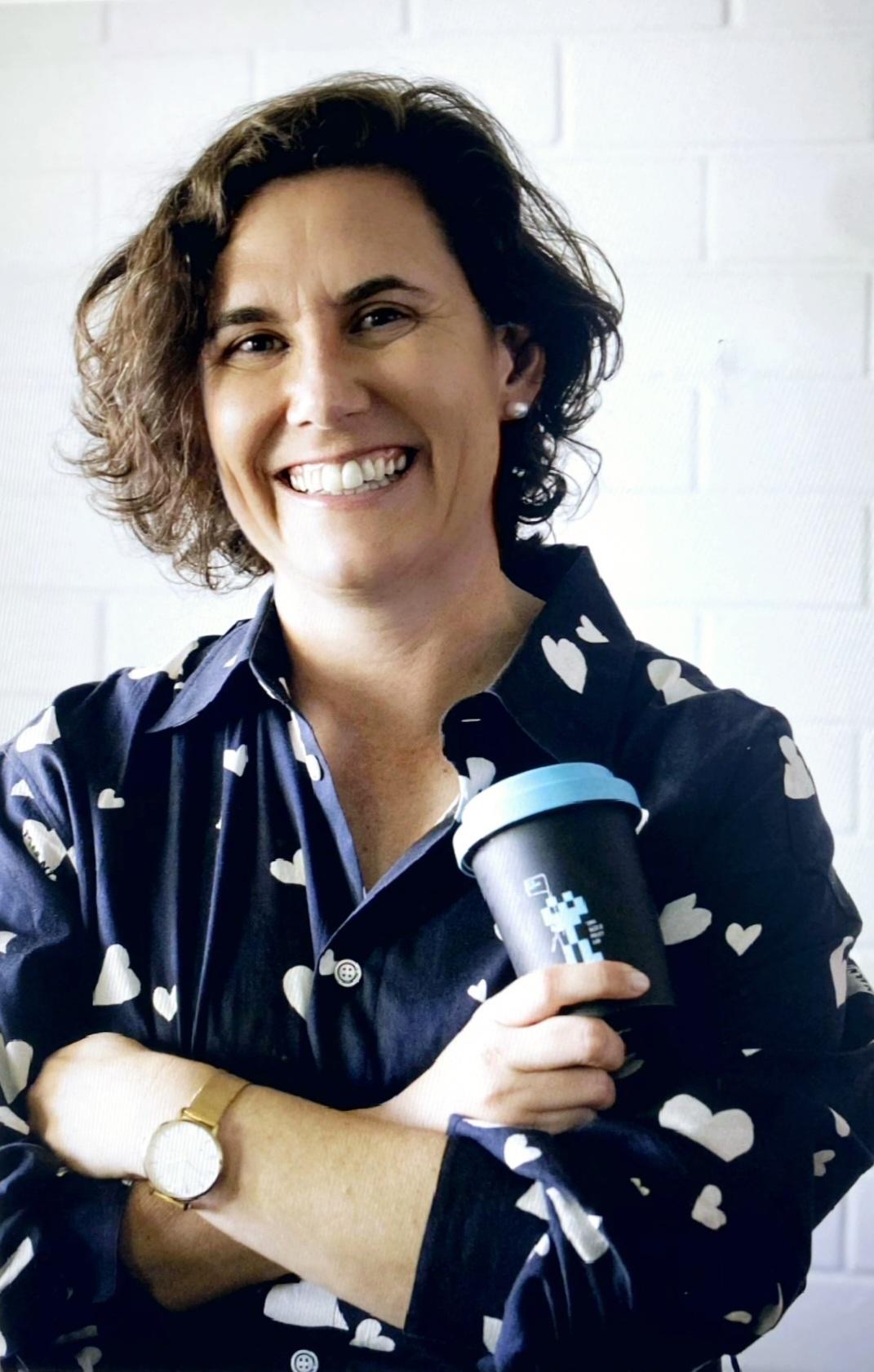
Julia Powles
Professor Julia Powles is the Executive Director of the UCLA Institute for Technology, Law and Policy and Director of Tech Policy for the University-wide initiative, UCLA DataX. She is an international research leader in the fields of privacy, intellectual property, internet governance, and the law and politics of data, automation, and artificial intelligence.
Professor Powles’ work has been published in leading academic journals and in popular publications including The New Yorker, The Guardian, Financial Times, Medium OneZero, Slate, and WIRED. She has served on federal and state advisory committees on artificial intelligence, robotics, data sharing, intellectual property, human rights, and privacy.
-
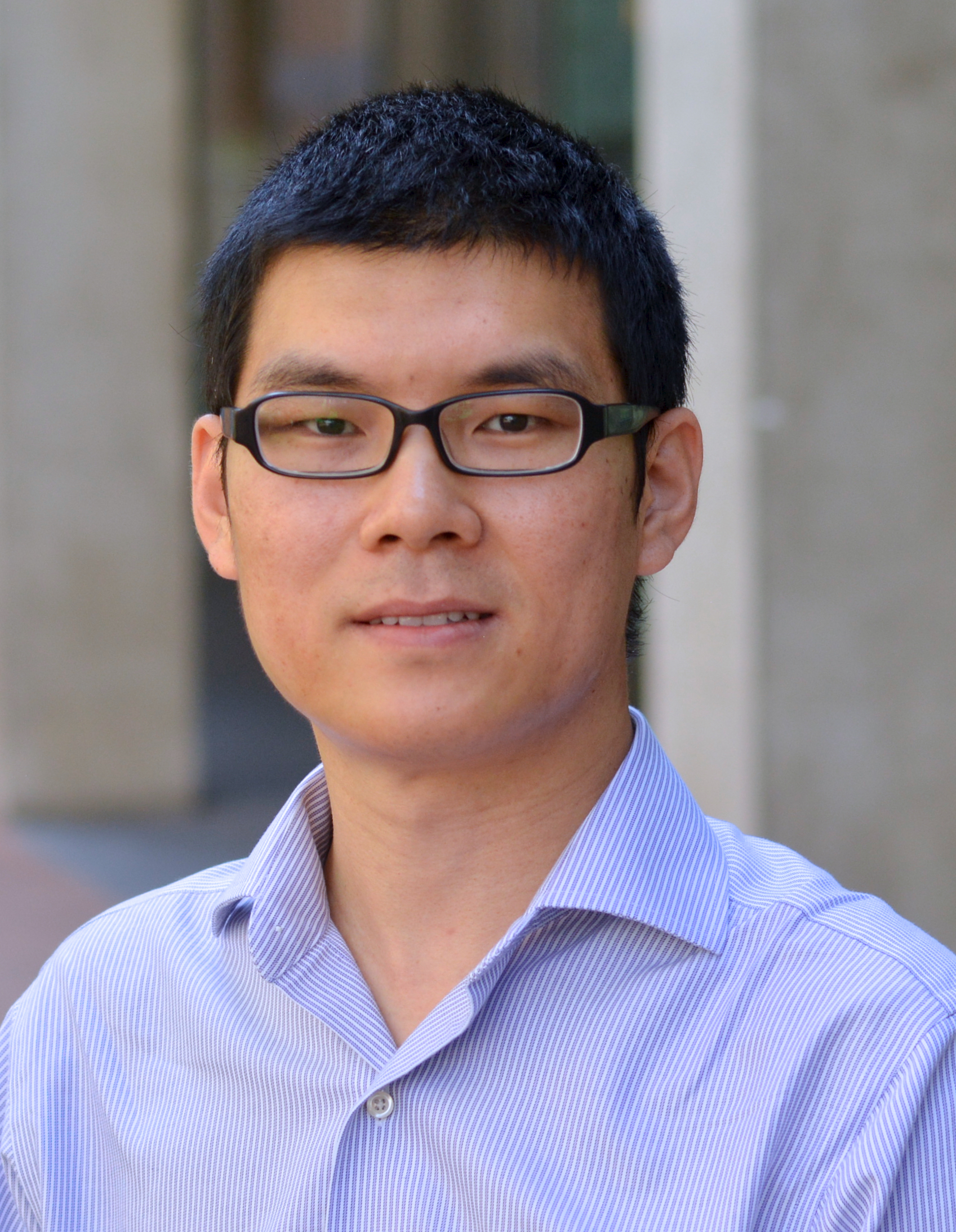
Shaolei Ren
Shaolei Ren is an Associate Professor of Electrical and Computer Engineering at the University of California, Riverside. His research broadly focuses on AI, systems, and society. His work has shaped AI governance frameworks adopted by many organizations including the WHO, and driven industry innovation such as the first real-time water footprint reporting tool for computing. He is a recipient of the NSF CAREER Award (2015) and several paper awards, including at ACM e-Energy (2024, 2016) and IEEE ICC (2016). He received his Ph.D. degree from the University of California, Los Angeles. -
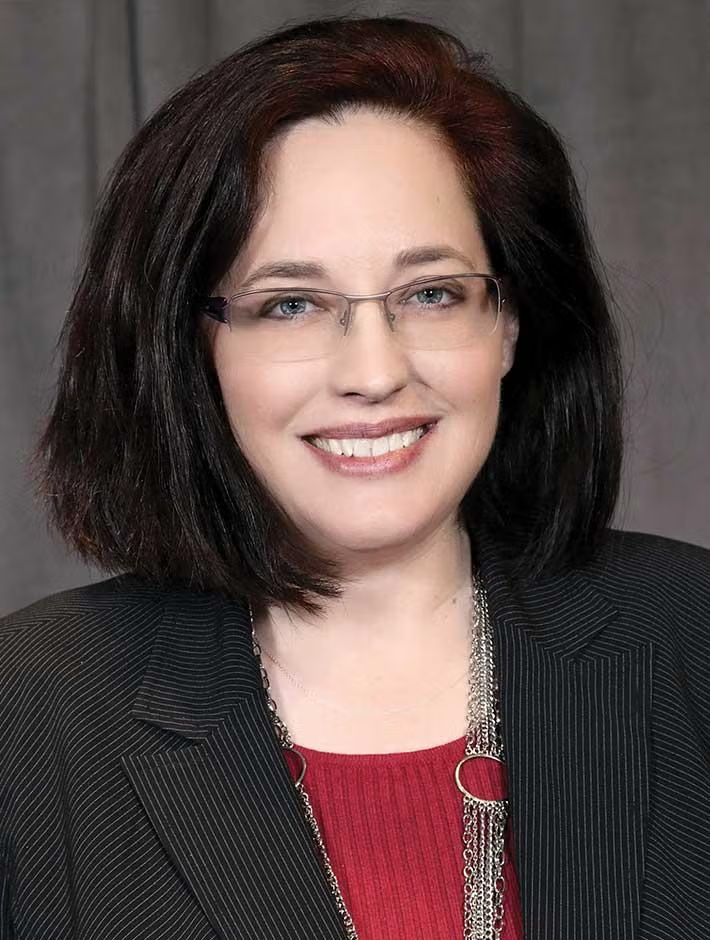
Danielle Van Lier
Danielle Van Lier is an experienced intellectual property, technology, and transactional attorney with special expertise in artificial intelligence and its impact on creative professionals. Prior to starting the practice, she spent over 20 years at SAG-AFTRA, where she played a leading role in the creation of many of the union's most innovative contracts, including those pertaining to AI, influencers, and videogames.